
Call Us Now:
1800 935 936
Carbon build-up is a common and costly issue affecting modern diesel engines. It’s a silent problem that develops gradually inside your intake system, robbing your vehicle of performance, efficiency, and reliability over time.
Whether you drive a Hilux, Ranger, LandCruiser, or any other modern diesel, knowing the warning signs can help you act before expensive repairs are needed. Here are the five most common symptoms of carbon build-up — and how to stop it before it causes damage.Whether you drive a Hilux, Ranger, LandCruiser, or any other modern diesel, knowing the warning signs can help you act before expensive repairs are needed.
Here are the five most common symptoms of carbon build-up — and how to stop it before it causes damage.
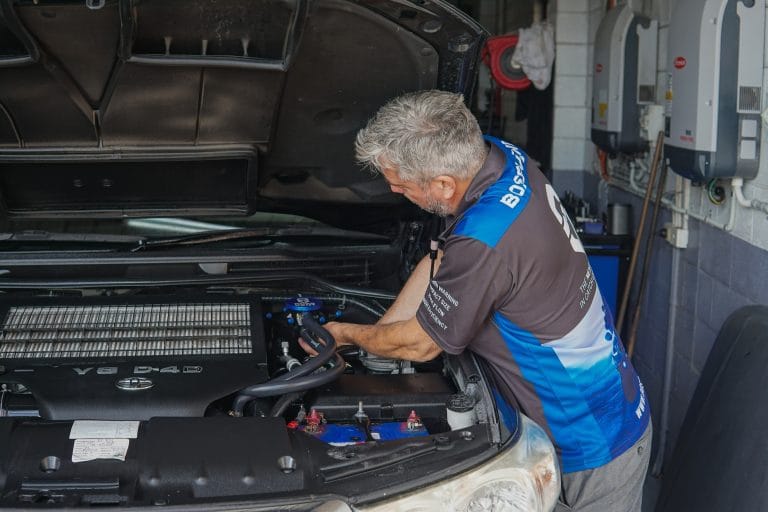
If your diesel feels sluggish or slow to respond when accelerating, carbon build-up could be to blame.
As soot and oil residue accumulate in the intake manifold, they narrow the air passages that feed your engine. This restricts airflow, reduces turbo efficiency, and causes a noticeable drop in throttle response — especially under load or while towing.
Pro tip: If you’re losing low-end torque or boost pressure feels inconsistent, it’s often one of the first signs of intake restriction.
A carbon-clogged intake makes your engine work harder to achieve the same performance. That means more fuel is required for less power output.
If you’ve noticed a steady decline in fuel economy without other obvious causes (like heavy towing or larger tyres), internal build-up could be the culprit.
Left untreated, carbon build-up can easily reduce up to 20% of your engine’s power & fuel efficiency.
Black or grey exhaust smoke — especially during acceleration — can indicate poor combustion efficiency.
When airflow is restricted by carbon deposits, fuel doesn’t burn as cleanly or completely, resulting in visible exhaust haze and stronger diesel odour.
If your DPF regenerations are becoming more frequent or you’re seeing smoke where there used to be none, it’s worth inspecting your intake system.
Carbon build-up doesn’t just affect performance — it can also cause uneven idle and poor drivability.
Deposits around the EGR valve and intake ports disrupt airflow balance between cylinders, leading to irregular combustion.
This often shows up as a rough idle, hesitation under light throttle, or a feeling that your engine is “hunting” for smooth operation.
In severe cases, carbon accumulation can interfere with sensors inside the intake manifold or around the EGR valve.
This can trigger the check engine light or EGR-related fault codes such as insufficient flow, valve stuck open/closed, or manifold pressure errors.
If you’re seeing repeated EGR or boost pressure faults, it’s time for a professional inspection — and likely time to fit a catch can.
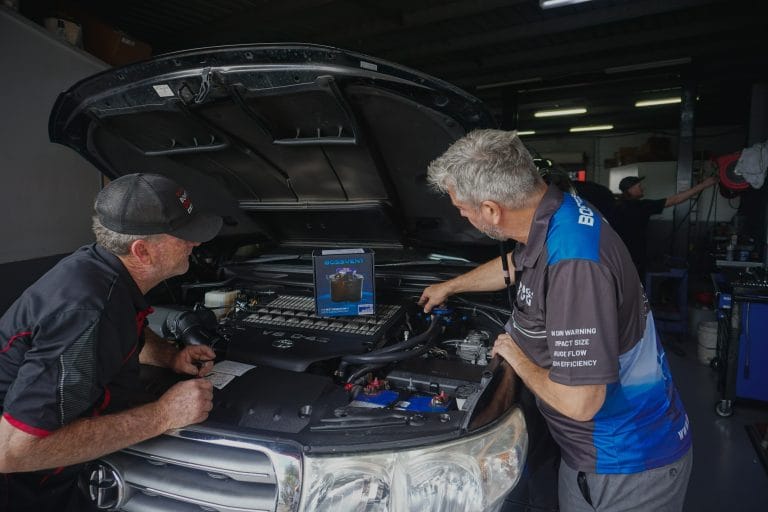
The most effective way to prevent carbon contamination is to stop oily vapours from reaching the intake in the first place.
A BossVent Catch Can separates and traps oil mist from the crankcase before it mixes with hot exhaust gas & soot from the EGR system.
This simple, plug-and-play upgrade keeps your intake clean, protects performance, and saves you thousands in potential repairs.
If your vehicle is driven mainly in urban areas or does short trips, it’s at greater risk of carbon accumulation due to cooler operating temperatures and frequent EGR cycling.
For most diesels, we recommend:
Inspecting the intake system every 50,000–60,000 km
Draining your catch can every 5,000–10,000 km, depending on driving conditions
Carbon build-up starts slowly but continues to build up every single time you drive your car — and if ignored, can rob your engine of power, economy, and reliability.
The good news? It’s completely preventable!
Installing a BossVent Catch Can Kit is a one-time upgrade that protects your diesel 4X4 for life, helping you avoid costly EGR and intake cleaning while preserving performance, fuel efficiency & keeping your engine performing like new.