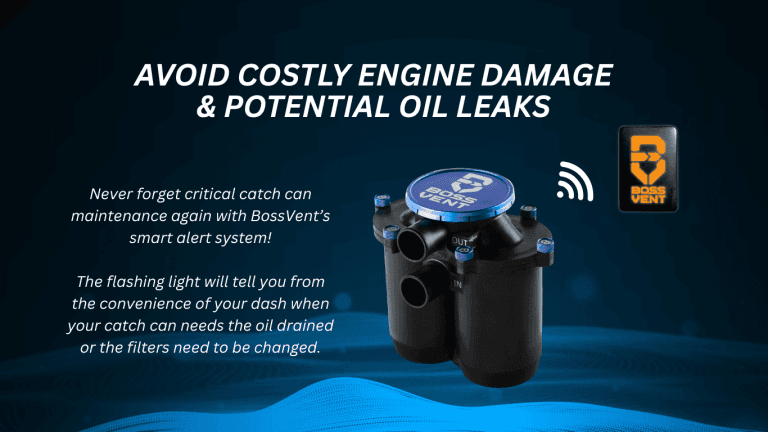
What is a Catch Can?

A catch can, also known as an oil catch can, is an inline filter installed in the crankcase ventilation system. Its primary purpose is to catch and store any oil, moisture, and other contaminants that may be present in the blow-by gases (the gases that escape from the engine’s combustion chamber and enter the crankcase). Without a catch can, these contaminants would be recirculated back into the engine’s intercooler, turbocharger and intake, potentially causing issues like carbon buildup, reduced engine performance, and increased emissions. 

How Does an Oil Catch Can Work? 

An oil catch can works by intercepting the blow-by gases before they are recirculated back into the engine. Here’s how it typically operates: 
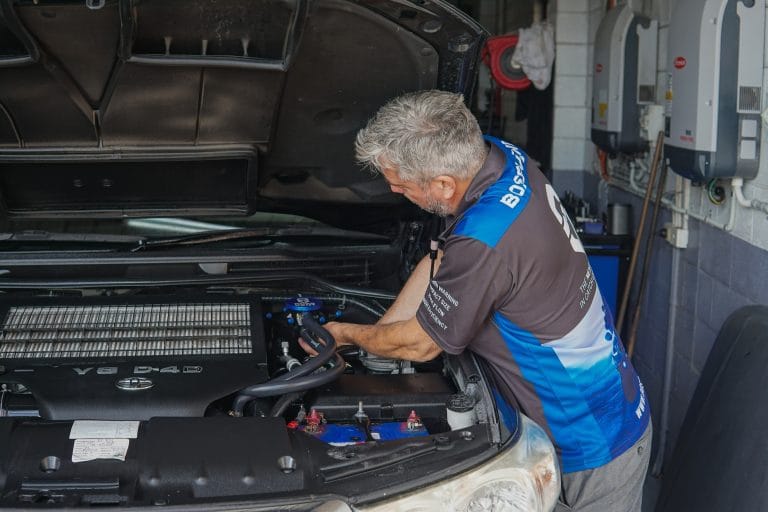
  1. Blow-by gases are routed from the crankcase to the catch can through a hose. 
  2. Inside the catch can, the gases pass through filters designed to separate the oil and contaminants from the air. 
  3. The cleaned air is then routed back to the intake manifold, while the oil and contaminants are captured in the catch can. 
  4. The captured oil and contaminants need to be periodically drained from the catch can to ensure it continues to function properly. The Bossvent catch can goes the extra mile and monitors the catch can’s oil level and filters with a smart in-cabin alert system, alerting you when maintenance is required. Forgetting catch can maintenance can be detrimental to your engine.

Why is a Catch Can Beneficial? 

  1. Prevents Carbon Buildup: By catching oil and other contaminants, a catch can helps prevent carbon deposits from forming on engine components, maintaining engine performance and efficiency. 
  2. Extends Engine Life: A cleaner air intake system reduces engine wear, which can help the engine last longer. 
  3. Maintains Peak Fuel Efficiency: A cleaner engine operates more efficiently, which can maintain fuel economy. 
  4. Reduces Maintenance Needs: By preventing contaminants from entering the engine, a catch can can reduce the frequency of maintenance tasks and service intervals like cleaning the intake system. 
  5. Environmental Benefits: By preventing oil and other contaminants from being burned in the combustion process, a catch can helps reduce harmful emissions. 

Why Do You Need a Catch Can? 

Diesel engines are known for producing a significant amount of blow-by gases, which contain oil vapors and other contaminants. Over time, these contaminants can accumulate in the engine’s intercooler, turbo and intake system, leading to several problems: 

  1. Carbon Buildup: The recirculation of oil vapors can cause carbon deposits to form on intake valves, pistons, and other engine components. This can lead to reduced engine efficiency and performance. 
  2. Reduced Engine Life: Contaminants in the intake system can cause premature wear and tear on engine components, potentially shortening the engine’s lifespan. 
  3. Increased Maintenance Costs: The buildup of contaminants can lead to more frequent maintenance requirements, such as damaged turbochargers, cleaning the intake manifold and replacing damaged parts. 


Installing a catch can in a diesel engine helps prevent these issues by capturing the contaminants before they can enter the intake system, keeping the engine cleaner and more efficient. 

In summary, an oil catch can is a valuable addition to a diesel engine, helping to maintain engine cleanliness, performance, and longevity.

You can check out our incredible range of Bossvent Catch Can Kits here.